In the realm of funeral and memorial practices, the design and arrangement of墓碑 (墓碑) hold profound significance, often reflecting cultural, spiritual, and personal values. The 万佛华侨陵园 (Wanfo Overseas Chinese Cemetery) stands as a testament to the rich tapestry of traditions and beliefs represented by its diverse community. This article delves into the intricacies of bilingual墓碑 (墓碑) in the context of the Wanfo Overseas Chinese Cemetery, exploring the importance of English and Chinese inscriptions, their aesthetic and functional considerations, and the cultural significance they hold for the families and communities they serve.
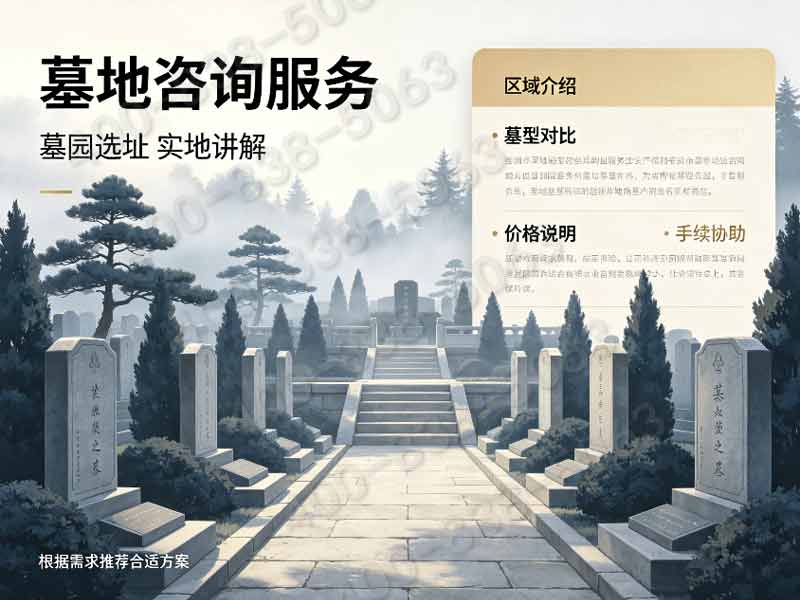
The Wanfo Overseas Chinese Cemetery, located in a serene and respectful setting, serves as a final resting place for many Chinese immigrants and their descendants. It is a place where the traditions of China are interwoven with the practices of the countries in which these individuals have lived and contributed. The use of bilingual墓碑 (墓碑) in this cemetery is not merely a practical necessity but also a symbolic representation of the cultural identity and heritage of the individuals interred.
In Chinese culture, the墓碑 (墓碑) is a sacred object, often inscribed with the names, dates, and other significant details of the deceased. These inscriptions are not just informational but also serve as a means of honoring the deceased and ensuring their memory is preserved. The inclusion of English alongside Chinese on the墓碑 (墓碑) in the Wanfo Overseas Chinese Cemetery acknowledges the dual cultural identities of the individuals buried there, reflecting their roots in China and their integration into their new homes.
For many Chinese immigrants, the ability to communicate in English is essential for daily life. However, their connection to their heritage and family remains strong, often expressed through the use of Chinese language and characters. Bilingual墓碑 (墓碑) in the Wanfo Overseas Chinese Cemetery serve several important purposes:
Identification and Recognition: The English inscriptions help identify the deceased to the local community, ensuring that they are recognized and remembered by those who may not be familiar with Chinese characters.
Cultural Preservation: The Chinese inscriptions preserve the cultural identity of the deceased, allowing their families and the broader Chinese community to maintain a connection to their roots.
Memorialization: Bilingual墓碑 (墓碑) provide a comprehensive memorialization of the deceased, acknowledging both their Chinese heritage and their life in their new country.
The design of bilingual墓碑 (墓碑) in the Wanfo Overseas Chinese Cemetery is carefully considered to ensure both aesthetic appeal and cultural appropriateness. The arrangement of English and Chinese inscriptions is typically done in a way that respects the traditional hierarchy and readability of both languages.
Placement of Inscriptions: The English inscriptions are often placed above the Chinese inscriptions, following the traditional practice of placing the vernacular language above the native language. This arrangement ensures that the墓碑 (墓碑) is easily readable for those who may not be familiar with Chinese characters.
Font and Style: The fonts used for the English and Chinese inscriptions are chosen to complement each other while maintaining their distinct identities. The English inscriptions may use a standard, clear font such as Times New Roman or Arial, while the Chinese inscriptions may use a traditional Chinese font that is both beautiful and legible.
Symbolism and Decorations: Bilingual墓碑 (墓碑) often include symbolic elements and decorations that are meaningful to Chinese culture. These may include images of lotus flowers, dragons, or other traditional motifs that represent purity, strength, and good fortune.
In addition to their cultural and aesthetic significance, bilingual墓碑 (墓碑) also have practical considerations that must be taken into account during their design and placement.
Readability: The inscriptions must be easily readable, even from a distance. This requires careful consideration of font size, spacing, and the overall layout of the墓碑 (墓碑).
Durability: The materials used for the墓碑 (墓碑) must be durable and able to withstand the elements over time. Common materials include marble, granite, and bronze, all of which are chosen for their longevity and resistance to weathering.
Cost: The cost of bilingual墓碑 (墓碑) can be higher than single-language墓碑 (墓碑) due to the additional design and production work involved. However, for many families, the value of having a bilingual墓碑 (墓碑) that fully represents their loved one"s heritage is worth the investment.
Several case studies from the Wanfo Overseas Chinese Cemetery illustrate the importance and effectiveness of bilingual墓碑 (墓碑). For instance, the墓碑 (墓碑) of a prominent Chinese businessman who immigrated to the United States features his name in both English and Chinese, along with inscriptions detailing his achievements and contributions. The墓碑 (墓碑) is beautifully designed with traditional Chinese motifs, including a dragon and a pair of lions, symbolizing power and protection.
Another example is the墓碑 (墓碑) of a family of academics who have lived and taught in the United States for several generations. Their墓碑 (墓碑) includes English inscriptions that provide a brief biography of each family member, while the Chinese inscriptions honor their academic achievements and contributions to their respective fields.
The use of bilingual墓碑 (墓碑) in the Wanfo Overseas Chinese Cemetery is a testament to the rich cultural heritage of its community. These墓碑 (墓碑) serve not only as markers of memory but also as symbols of cultural identity and continuity. By incorporating both English and Chinese inscriptions, the墓碑 (墓碑) in this cemetery honor the dual identities of the individuals interred, ensuring that their legacies are preserved and celebrated by both the Chinese and local communities.
In conclusion, the design and arrangement of bilingual墓碑 (墓碑) in the Wanfo Overseas Chinese Cemetery reflect a deep respect for cultural traditions and a commitment to preserving the memories of those who have contributed to the community. These墓碑 (墓碑) are not just physical objects but are imbued with meaning and significance, serving as a bridge between the past and the present and a testament to the enduring spirit of the Chinese people.
The study of bilingual墓碑 (墓碑) in the Wanfo Overseas Chinese Cemetery provides valuable insights into the ways in which cultural heritage is maintained and celebrated in a globalized world. It highlights the importance of language, design, and symbolism in the creation of meaningful and lasting memorials. As the cemetery continues to serve the needs of its community, the bilingual墓碑 (墓碑) will remain as a powerful reminder of the rich tapestry of cultures and traditions that make up the Chinese diaspora.
Wanfo Overseas Chinese Cemetery, bilingual墓碑 (墓碑), Chinese heritage, English inscriptions, cultural identity, memorialization, design considerations, readability, durability, case studies, language and culture, traditional motifs, Chinese diaspora

点击按钮复制号码并打开微信


 微信联系
微信联系 电话咨询
电话咨询